Monday, April 21, 2014

Locating Utilities In Concrete


The Art Of Locating Utilities In Concrete

Ground Penetrating Radar is used to "see" through concrete to discover where the underground utilities are located. It works alongside of Electromagnetic Induction. The EI uses a hand-held device that consists of a wand that can locate metallic pipes, live electronic currents, or signals from live electrical currents.

The importance of being able to use these devices to locate underground utilities means that concrete sidewalks, parking lots, and streets do not have to be torn up in order to find these utilities, saving thousands of dollars in costs. It is safer to used these devices and less costly.

The following examples illustrate the advantages that these systems allow:
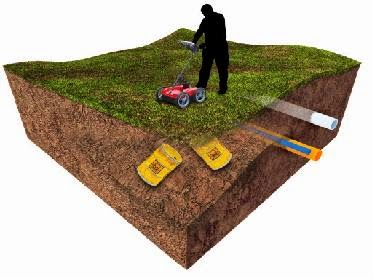
http://www.scanconcrete.com.au/
Example 1: A high voltage electric duct right in the path of excavation. Contractors who were working on the project were aware that the wire was there, but were surprised to learn that it was only four feet deep.

Example 2: Two large likes that are 3' and 4' deep. It was requested that all utilities be found and assigned a depth prior to a crane being put in the area. The weight of the crane alone would have crushed andy utility within 30" of the surface.

In these cases, the utilities were located easily and saved a lot of time and expense that would have had to been expended to dig and reroute these utilities. As it is, since it is known where these utilities are located, other arrangements can be made.

The GPR can locate reinforced concrete pipe used in underground sewer 
systems and storm drainage systems. These units usually run under roads and parking lots, so it is imperative that they be located.

By: Steve Price  

It is actually surprising how many utilities do run under roadways and parking
http://www.scanconcrete.com.au/

lots, and now how much time and money is saved by using this new technology.

Ground Penetrating Radar is used to "see" through concrete to discover where the underground utilities are located. It was requested that all utilities be found and assigned a depth prior to a crane being put in the area. The weight of the crane alone would have crushed andy utility within 30" of the surface.

54 Hooker Blvd
Broadbeach,
QLD
4218
Contact us: 0426 508 755

Concrete Scanning And Testing In The Construction Industry


Understanding Concrete Scanning and Screening in the Building Market

Ground permeating radar screening and other testing and scanning technologies are non-destructive testing technologies that are used to examine structures, find cables and piping, determine the density of slabs and identify conduits in concrete structures.

Exactly what is the Purpose of Concrete Testing?

Concrete scanning and screening is utilized in the construction market to assist surveyors and builders inspect structures prior to beginning work. It can be made use of to reduce the expense of upkeep and make it easier and even more economical to repair structures. There are lots of various sorts of innovation readily available. X-ray technology uses radiation to discover solid items underground, however it is not especially effective and it can be mistake vulnerable. It is normally only utilized in structures where both sides of things being analyzed are both noticeable and accessible.

wanna know more about concrete scanning?

On the other hand, ground-penetrating radar, or GPR technology is budget-friendly, quickly, accurate and produces outcomes that are easy to understand. GPR innovation is good for identifying areas where there is electrical wiring or plumbing, and it can likewise flag up post-tension cable televisions and rebars, and help you to find the very best areas to knock in brand-new openings.

Another purpose of concrete scanning and screening is to guarantee that the concrete you are making use of is strong enough for the function it is being made use of for. Concrete technologists test concrete pieces and will not send out concrete that is weak or poor quality if the organized design needs concrete that must be capable of supporting a heavy, tall structure.

54 Hooker Blvd
Broadbeach,
QLD
4218
Contact us: 0426 508 755

Sunday, March 23, 2014

Scanning Concrete with GPR Technology

Scanning Concrete Using GPR Technology

GPR, or ground penetrating radar, is a technology used by those in the geophysical profession to send radar pulses through the ground to image what is called the subsurface. It utilizes electromagnetic radiation, specifically in the microwave band. These signals are sent down, reflected back up, and processed to provide an image of the subsurface below. This type of technology can be used on various structures, pavement, ice, soil and even rock. It is able to detect even the most subtle changes which may be caused by cracks, voids or other changes in the material beneath the surface. When scanning concrete, GPR technology can also be used. Let's take a look at why this is done.


Scanning Concrete Using GPR

When using this technology for concrete imaging, it is used for a variety of reasons. By using this GPR technology when scanning concrete, it can help detect these types of hazards, thus providing a very necessary public safety measure.


Tunnel Assessment Surveys

Another area in which scanning concrete with GPR technology is very important is investigating the deterioration of tunnels. It is an effective tool which can allow engineers to find hidden construction shafts, look at the condition of the lining of the tunnel, and also find voids that could lead to further problems. The advantage of using ground penetrating radar is because of how quickly this data can be gathered and assessed, making tunnel systems safer for everyone.

As you can see, scanning concrete with GPR technology is a very important part of maintaining public safety. By detecting sinkholes beneath the concrete, and voids that may cause future damage to tunnel systems, you are improving the possibility of addressing these problems, and preventing the potential for injuries and fatalities.

GPR technology can also be used when scanning concrete. When using this technology for concrete imaging, it is used for a variety of reasons. By using this GPR technology when scanning concrete, it can help detect these types of hazards, thus providing a very necessary public safety measure.

54 Hooker Blvd
Broadbeach,
QLD
4218
Contact us: 0426 508 755

Scanning Concrete with GPR Technology

Scanning Concrete Using GPR Technology

GPR, or ground penetrating radar, is a technology used by those in the geophysical profession to send radar pulses through the ground to image what is called the subsurface. It utilizes electromagnetic radiation, specifically in the microwave band. These signals are sent down, reflected back up, and processed to provide an image of the subsurface below. This type of technology can be used on various structures, pavement, ice, soil and even rock. It is able to detect even the most subtle changes which may be caused by cracks, voids or other changes in the material beneath the surface. When scanning concrete, GPR technology can also be used. Let's take a look at why this is done.

Scanning Concrete Using GPR

When using this technology for concrete imaging, it is used for a variety of reasons. By using this GPR technology when scanning concrete, it can help detect these types of hazards, thus providing a very necessary public safety measure.


Tunnel Assessment Surveys

Another area in which scanning concrete with GPR technology is very important is investigating the deterioration of tunnels. It is an effective tool which can allow engineers to find hidden construction shafts, look at the condition of the lining of the tunnel, and also find voids that could lead to further problems. The advantage of using ground penetrating radar is because of how quickly this data can be gathered and assessed, making tunnel systems safer for everyone.

As you can see, scanning concrete with GPR technology is a very important part of maintaining public safety. By detecting sinkholes beneath the concrete, and voids that may cause future damage to tunnel systems, you are improving the possibility of addressing these problems, and preventing the potential for injuries and fatalities.

GPR technology can also be used when scanning concrete. When using this technology for concrete imaging, it is used for a variety of reasons. By using this GPR technology when scanning concrete, it can help detect these types of hazards, thus providing a very necessary public safety measure.

54 Hooker Blvd
Broadbeach,
QLD
4218
Contact us: 0426 508 755